Side Effects of THC
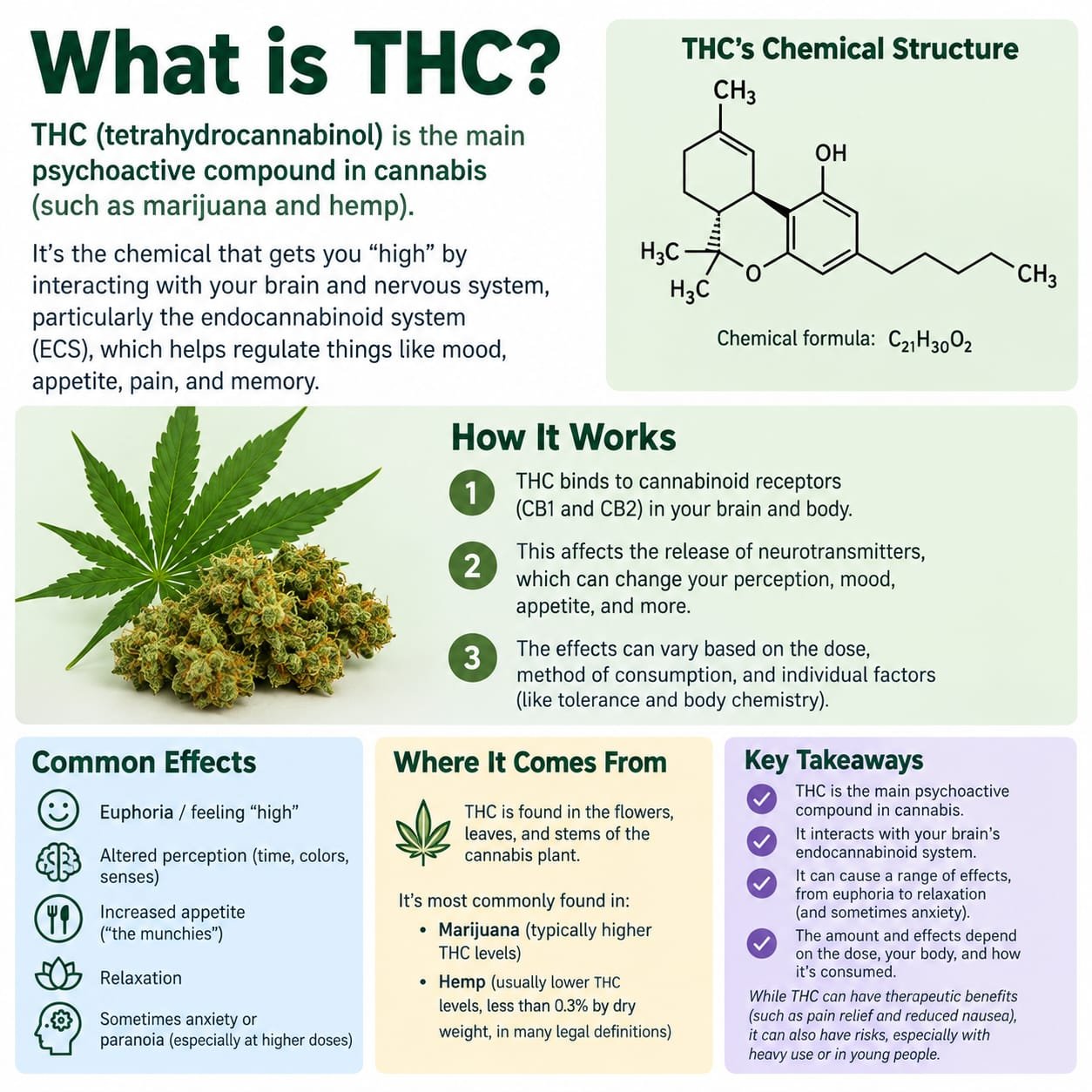
Side Effects of THC: Understanding Short-Term Reactions, Long-Term Risks, and Warning Signs
THC, short for tetrahydrocannabinol, is the main intoxicating compound in cannabis. It produces the familiar marijuana high, but its effects extend beyond relaxation or euphoria. THC can change perception, memory, coordination, heart rate, and emotional responses. Some reactions are uncomfortable but temporary, while others require medical attention.
The side effects of THC depend on the amount consumed, product strength, method of consumption, frequency of use, and individual health. Higher-concentration products can produce stronger intoxication and increase the likelihood of overconsumption.
Understanding these effects means distinguishing ordinary intoxication from potentially dangerous symptoms. This guide explains common reactions, concerns associated with repeated use, vulnerable groups, and the importance of recognizing warning signs rather than assuming every unpleasant experience will resolve without help.
What Is THC, and Why Does It Cause Side Effects?
THC is an active cannabis compound that affects brain systems involved in mood, attention, memory, and movement. Its desired and unwanted effects arise from the same exposure: the relaxation one person enjoys may become anxiety or confusion for another.
“Side effect” therefore does not always describe a completely separate reaction. Intoxication itself can interfere with everyday functioning, even when the person considers the experience pleasant.
The term also covers several different issues. Immediate reactions, complications of repeated cannabis use, and harms associated with smoking or vaping should not be treated as identical. Separating these categories produces a clearer understanding of what contributes to risk.
Common Short-Term Side Effects of THC
Short-term THC effects can include changes in thinking, perception, physical coordination, and emotional state. Their severity varies, and not everyone experiences the same combination.
Common reactions include:
- Difficulty concentrating or remembering recent information.
- Slower reactions and reduced coordination.
- An altered sense of time.
- Anxiety, panic, or suspicious thoughts.
- Sleepiness or reduced alertness.
- A faster heartbeat.
- Changes in appetite.
Some symptoms become more concerning when they are intense, unexpected, or accompanied by a decline in responsiveness. A person who appears significantly confused, cannot remain awake, or develops breathing problems needs a different response from someone experiencing mild discomfort.
Anxiety and Panic After THC Use
THC may produce relaxation, but it can also provoke anxiety or panic. A racing heartbeat, unusual sensations, or changes in perception can make someone feel that they are losing control.
The resulting distress may be substantial even when others dismiss it as “just being high.” Fear should not be mocked or minimized, particularly when the affected person is struggling to understand what is happening.
Anxiety also does not explain every physical symptom. Chest pain, severe breathing difficulty, or collapse should not automatically be attributed to panic. Those symptoms warrant urgent assessment because another medical problem may be present.
Paranoia and Psychotic Symptoms
THC can contribute to suspicious thoughts or a sense that other people intend harm. More severe reactions may involve hallucinations, strongly held false beliefs, or difficulty distinguishing reality from imagined experiences.
These symptoms are different from ordinary relaxation or sensory changes. A person experiencing them may become frightened, disorganized, or unable to make safe decisions.
Cannabis exposure is associated with psychosis-related concerns, but individual outcomes are not determined by one factor alone. Research also describes psychotic episodes emerging after abrupt cessation of heavy use. Severe or persistent symptoms require professional assessment rather than reassurance based solely on their apparent connection to cannabis.
Memory, Attention, and Confusion
THC can interfere with the ability to retain new information and follow a sequence of events. Someone may lose track of a conversation, forget an instruction, or struggle with a task that normally feels straightforward.
These effects matter beyond the immediate experience. Activities involving money, work, caregiving, or other important responsibilities can become harder to manage accurately.
A person’s confidence is not a dependable measure of performance. Feeling comfortable does not establish that concentration or judgment is intact. Marked confusion, however, should not be treated as a routine inconvenience, especially if the person cannot communicate clearly or becomes difficult to awaken.
Reduced Coordination and Slower Reactions
THC can affect balance, movement, and reaction time. These changes increase the risk of errors during activities that require quick responses or precise physical control.
Driving, operating machinery, and other safety-sensitive tasks are particularly concerning. A familiar product or previous experience does not establish that someone can perform such activities safely after using THC.
Uncoordinated movements and reduced psychomotor activity also appear among reported adverse effects of delta-8 THC intoxication. The distinction between cannabinoid names does not eliminate the possibility of functional impairment. A product promoted as a milder alternative may still affect movement and responsiveness.
Heart Rate and Blood Pressure Changes
THC can cause changes in cardiovascular function, including an increased heart rate. Some intoxication events also involve low blood pressure, while severe reactions may include a slowed heart rate.
These symptoms can be frightening and may overlap with anxiety. However, identifying anxiety does not rule out a cardiovascular problem.
People with existing heart conditions should seek individualized medical guidance rather than relying on general descriptions of cannabis effects. Regardless of medical history, severe chest discomfort, fainting, or other significant symptoms deserve prompt assessment. A suspected cannabis reaction is not a reason to overlook a potentially urgent condition.
Sleepiness and Reduced Alertness
THC can cause sleepiness, lethargy, or sedation. A person may feel less motivated to move, have difficulty maintaining attention, or become unusually slow to respond.
There is an important difference between ordinary drowsiness and an inability to remain awake or respond normally. Profound sedation can be a sign of serious intoxication.
This distinction is especially important in children and in situations involving uncertain product contents. Someone who is difficult to awaken, has abnormal breathing, or cannot communicate appropriately needs urgent help. Do not assume that leaving the person to “sleep it off” is a sufficient response.
Why Edibles Can Produce Unexpected Reactions
The method of exposure influences cannabis-related adverse events. Products consumed by mouth can produce a different experience from inhaled products, making assumptions based on previous use unreliable.
A person may underestimate the eventual effects of an edible or misunderstand the amount contained in a serving. Product strength and individual characteristics further complicate the response.
Overconsumption can lead to pronounced confusion, anxiety, sedation, or other adverse reactions. A familiar-looking food does not communicate how strongly it may affect someone. Edibles also create an accidental exposure risk when children mistake them for ordinary snacks.
High-Potency Products and Overconsumption
Higher THC concentrations can create greater intoxicating effects and increase the likelihood of overconsumption. This makes potency an important risk factor rather than simply a measure of product quality.
A stronger formulation is not automatically more useful or appropriate. It can make the difference between an anticipated experience and one that becomes overwhelming.
The CDC notes that THC concentrations have increased over recent decades and that more research is needed to understand their full impact on cannabis use disorder risk. Consumers should not interpret high potency as evidence of superior safety, consistency, or therapeutic value.
Cannabinoid Hyperemesis Syndrome
Repeated cannabis use can lead some people to develop cannabinoid hyperemesis syndrome, often abbreviated CHS. It involves recurrent episodes of severe nausea and vomiting, sometimes with dehydration requiring emergency treatment.
This condition can appear counterintuitive because cannabis-related medicines may be used for nausea in specific circumstances. However, repeated cannabis exposure can have a different effect in susceptible people.
Some affected individuals report temporary relief from hot bathing. That observation does not make hot showers a dependable treatment or remove the risk of dehydration. Persistent vomiting requires medical evaluation, and sustained cessation of cannabis is important for preventing recurrence.
Cannabis Use Disorder and Dependence
THC-containing cannabis can contribute to cannabis use disorder. This involves problematic patterns of use, including continuing despite negative consequences or having difficulty reducing use.
Dependence should not be judged solely by whether a person enjoys cannabis or uses it daily. The impact on health, relationships, responsibilities, and the ability to control use matters.
Higher THC exposure raises additional concerns. The CDC identifies high-concentration products as capable of producing stronger intoxication and increasing overconsumption risk. Someone noticing that cannabis is becoming harder to manage should seek assessment rather than dismissing the problem because the product is legal or widely available.
Withdrawal After Stopping Heavy Use
Stopping heavy cannabis use can produce withdrawal symptoms. These may include irritability, anxiety, difficulty sleeping, reduced appetite, and restlessness.
Withdrawal can be uncomfortable and may encourage a return to use. Recognizing it as a possible response helps explain why cutting back can be more challenging than expected.
Severe psychiatric symptoms need particular attention. Research has documented cases in which abrupt cessation of heavy cannabis use preceded acute psychosis. This does not mean everyone will experience that outcome, but hallucinations, profound confusion, or major behavioral changes warrant urgent professional evaluation.
Smoking and Vaping Add Separate Risks
Not every cannabis-related harm is caused by THC alone. Smoking and vaping introduce exposure risks associated with the delivery method.
Vaping-associated lung injury has been linked particularly to THC-containing products from informal sources. Ingredients and contaminants can therefore matter alongside cannabinoid concentration.
This distinction prevents an incomplete interpretation of symptoms. A product may cause intoxication because of THC while also exposing the lungs to other substances. “THC side effects” should not become a catch-all explanation that obscures the possibility of respiratory injury or an unexpected formulation.
THC During Pregnancy and Breastfeeding
THC can pass from a pregnant person to the developing baby. Cannabis use during pregnancy has been linked to concerns including lower birth weight and effects on neurological development, although important research questions remain.
The CDC recommends that pregnant people not use cannabis. The FDA likewise strongly advises against THC, CBD, and marijuana in any form during pregnancy and breastfeeding.
Changing the method of consumption does not remove these concerns. Edibles, smoking, and vaping all involve potential cannabinoid exposure. Anyone using cannabis while pregnant or planning pregnancy should discuss alternatives with a healthcare professional.
Accidental THC Exposure in Children
Children can develop serious symptoms after accidental exposure to THC-containing products. Edibles and other accessible formulations are particularly concerning because their appearance may not suggest an intoxicating substance.
Symptoms can include unusual sleepiness, uncoordinated movement, and reduced responsiveness. More severe intoxication may involve breathing difficulties.
Suspected exposure should prompt immediate advice from a poison control service or medical professional. Do not wait for dramatic symptoms before seeking guidance. Products should be stored securely and kept separate from ordinary foods, rather than relying on packaging alone to prevent access.
What to Do During an Unpleasant Reaction
Stop using the suspected product and avoid additional cannabis, alcohol, or other intoxicating substances. Do not drive or perform safety-sensitive activities.
If symptoms are mild, remain in a safe setting and seek guidance if there is uncertainty about the exposure. An unimpaired person can help monitor changes, but observation should not replace medical care when symptoms are concerning.
There is no specific antidote for THC intoxication; treatment is generally supportive and directed at symptoms. Serious reactions should be assessed by healthcare professionals rather than managed with improvised remedies or claims that another substance will reverse the effects.
When to Seek Emergency Help
Seek emergency care for serious symptoms such as:
- Difficulty breathing or abnormal breathing.
- Unresponsiveness or difficulty awakening.
- Severe chest pain or collapse.
- Seizures.
- Profound confusion or unsafe behavior.
- Severe vomiting with signs of dehydration.
These symptoms should not be dismissed because cannabis was involved. Another illness, co-exposure, or unexpected ingredient may contribute.
Tell responders what was taken, when it was used, and whether other substances were involved. Packaging may help clarify the exposure. If there is an immediate danger, contact local emergency services rather than waiting for the effects to fade.
Understanding THC Risks Beyond the High
THC can produce enjoyable effects, uncomfortable reactions, and serious complications. The relevant risks depend on exposure, individual vulnerability, repeated use, and the contents and delivery method of the product.
The most useful distinctions are between mild discomfort and dangerous symptoms, intoxication and intact performance, and cannabis-related effects versus harms caused by other ingredients. Pregnancy, childhood exposure, persistent vomiting, and severe mental or physical changes require particular caution.
Treating THC as an active substance rather than a harmless trend makes its side effects easier to recognize. When symptoms are severe, unusual, or worsening, timely medical assessment matters more than assumptions about what a cannabis reaction should look like.